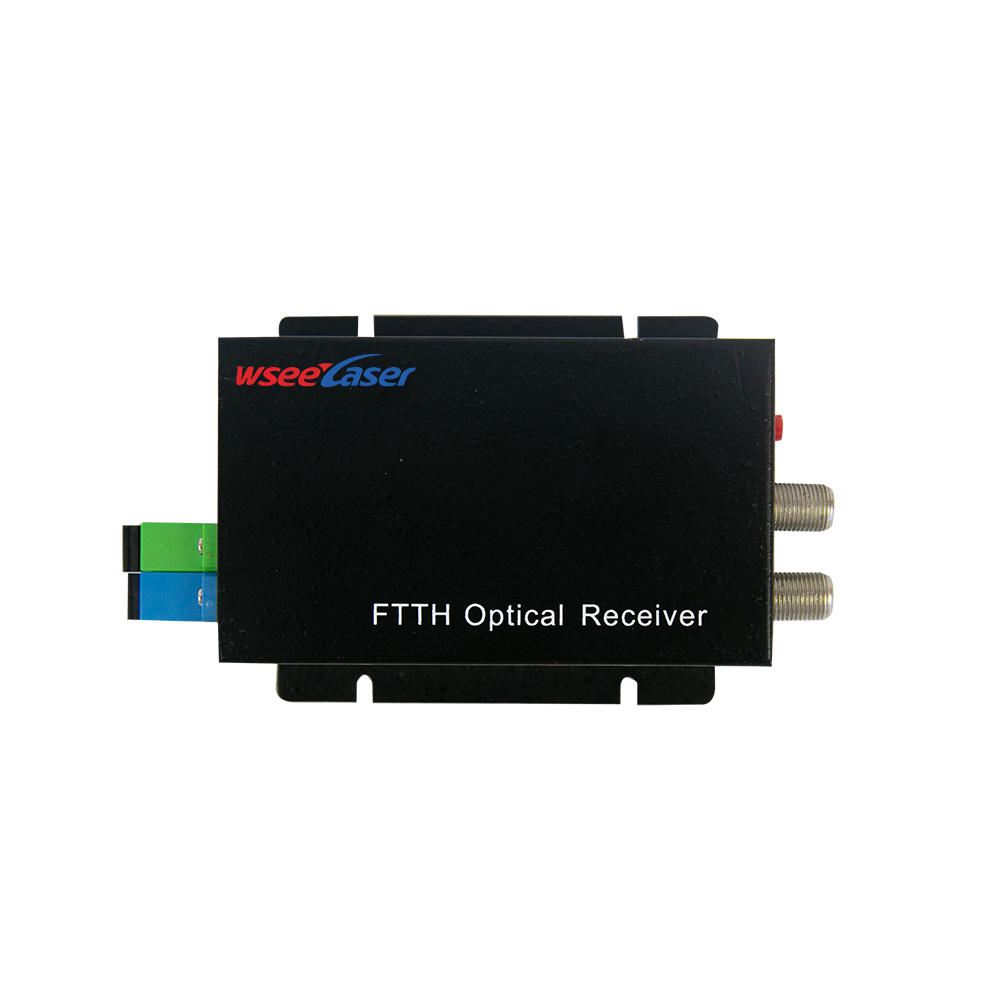
Optical Receivers in Fiber Optic Communication

optical receiver in fiber optic communication

Fiber  optic  communication is a fast and modern way to send information. It uses thin  strands of glass or plastic called fiber  optics to carry light signals. An important part  of this system is  the  optical receiver. This device takes  the light  signals from the fiber  and changes them back into electrical signals. At WSEELASER, we  see how  essential optical receivers are  for  making communication better and faster. They help us connect with others, send data, and  enjoy  things like  video  calls and streaming services without delays. Understanding how these  receivers work can help us appreciate the technology we use every  day.
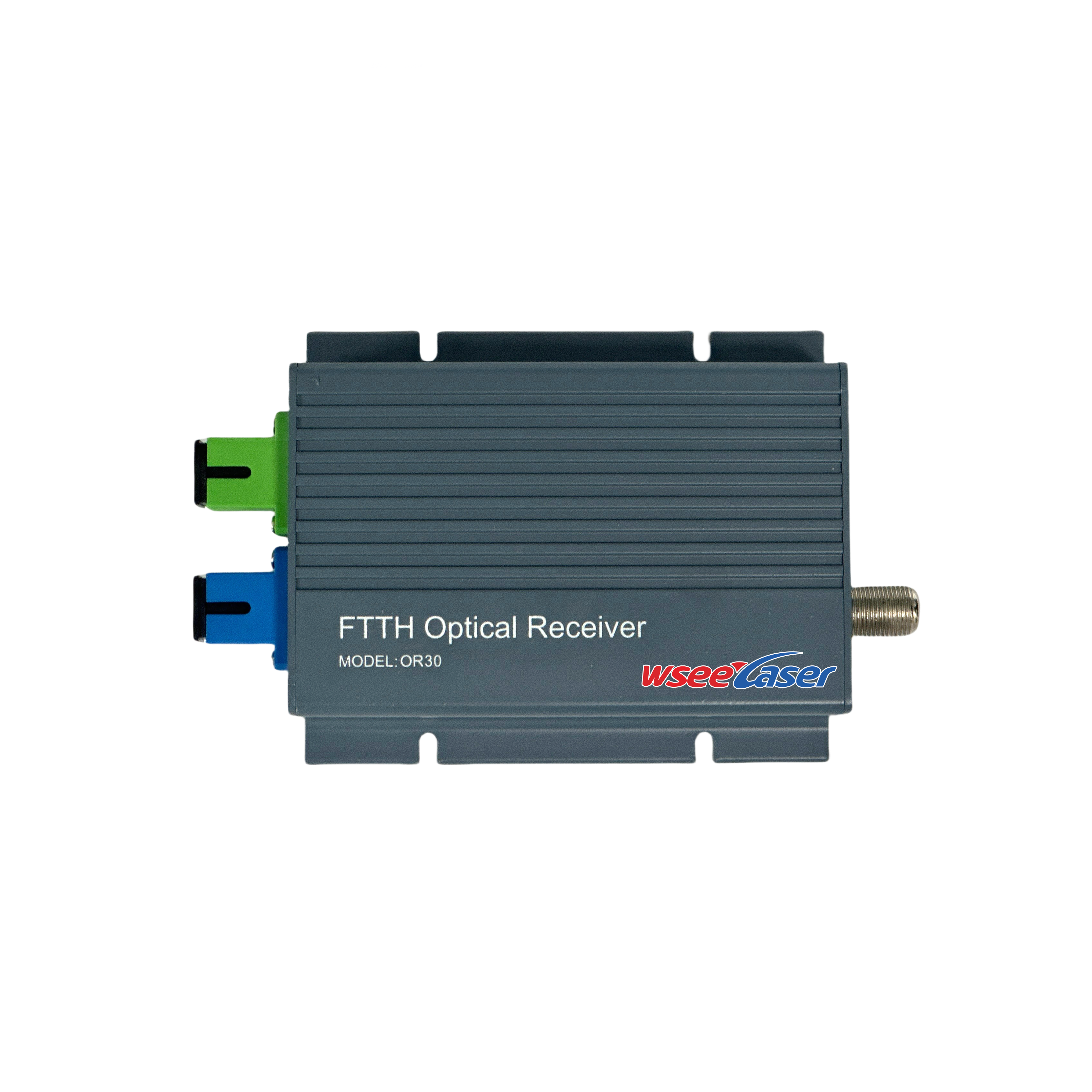
What Are the Key Benefits of Optical Receivers in Fiber Optic Communication?

What Are the Key Benefits of Optical Receivers in Fiber Optic Communication? Optical receivers have many  important benefits that make  them crucial for fiber optic  communication. First, they help to improve the quality  of signals. When light travels through the fibers, it can lose strength over long distances. Optical receivers catch this light  and boost it, ensuring the signals are clear  when they reach the end. This means fewer errors and better communication. Another great thing about optical receivers is their  speed. They  can quickly change light signals into electrical signals. This speed helps to send information faster than ever before. Imagine watching your  favorite show without any buffering! With WSEELASER's advanced optical receivers, you can enjoy quick downloads and smooth streaming. Additionally, optical receivers are very efficient. They  use less power compared to other types of receivers. This  means they not only save energy but also help reduce costs. Moreover, they can handle a lot of data at the same time. This is important as we use the internet for more things like gaming, video chatting, and working from home. For instance, our Mini EDFA is designed to support high data traffic seamlessly. Lastly, optical receivers  are more reliable.  They can work in  different environments without losing performance.  Whether it’s hot, cold, or even  rainy, these devices keep  working well. This makes them a great choice for businesses and homes alike. All these benefits show why optical receivers  are so important  in fiber optic communication.

Frequently Asked Questions

What is an optical receiver used for?

An optical receiver converts incoming optical signals into electrical signals for fiber optic communication systems, enabling data recovery and network connectivity.
It supports various fiber optic networks including metro, access, long-haul, and data center links requiring optical-to-electrical conversion.
Common specs include wavelength range, sensitivity, bandwidth, bit error rate, and receiver sensitivity; custom parameters are available per request.
Yes. We offer custom designs and configurations supported by our R&D and intelligent manufacturing to meet specific network requirements.
We provide technical support, integration guidance, and warranty terms tailored to the product; contact us for details and service options.

Get a Free Quote

Our representative will contact you soon.
Email
Mobile/WhatsApp
Name
Company Name
Message
0/1000

Related product categories

How Do Optical Receivers Enhance Data Transmission Efficiency?

How Do Optical Receivers Enhance Data Transmission Efficiency?

How Do Optical Receivers Enhance Data Transmission Efficiency?  Optical receivers play a big role in making  data transmission efficient. First, they help reduce delays or  lags. When you send a message or stream  a video, you want it to happen quickly. Optical receivers make sure that the data gets  from one point to another without  unnecessary waiting. They do this by quickly converting light signals into electrical signals, allowing information to travel faster. Another way they enhance efficiency is by minimizing errors. If light signals get weak  or  distorted, the optical receiver catches these  problems and fixes  them. This means that data arrives accurately, which is especially important for things like online banking or video conferencing. WSEELASER’s optical receivers are designed to detect and correct errors on the spot, ensuring  smooth data flow. Furthermore, these receivers can work with  different types  of data. Whether it's voice calls, video, or text, they handle all  of  them efficiently. This flexibility is important as we rely on various forms of communication. Additionally, optical receivers help with bandwidth management. They can manage how  much data is sent at  once, helping to prevent  overloads. This means that even during busy times, like when everyone is streaming or gaming, the system stays stable. Lastly, the technology  inside optical receivers is constantly improving. WSEELASER focuses on innovation to ensure our receivers are up to date with the latest advancements, allowing for even more efficient data transmission. By enhancing speed, reducing errors, and managing data well, optical receivers are key to making fiber optic  communication work smoothly and effectively.
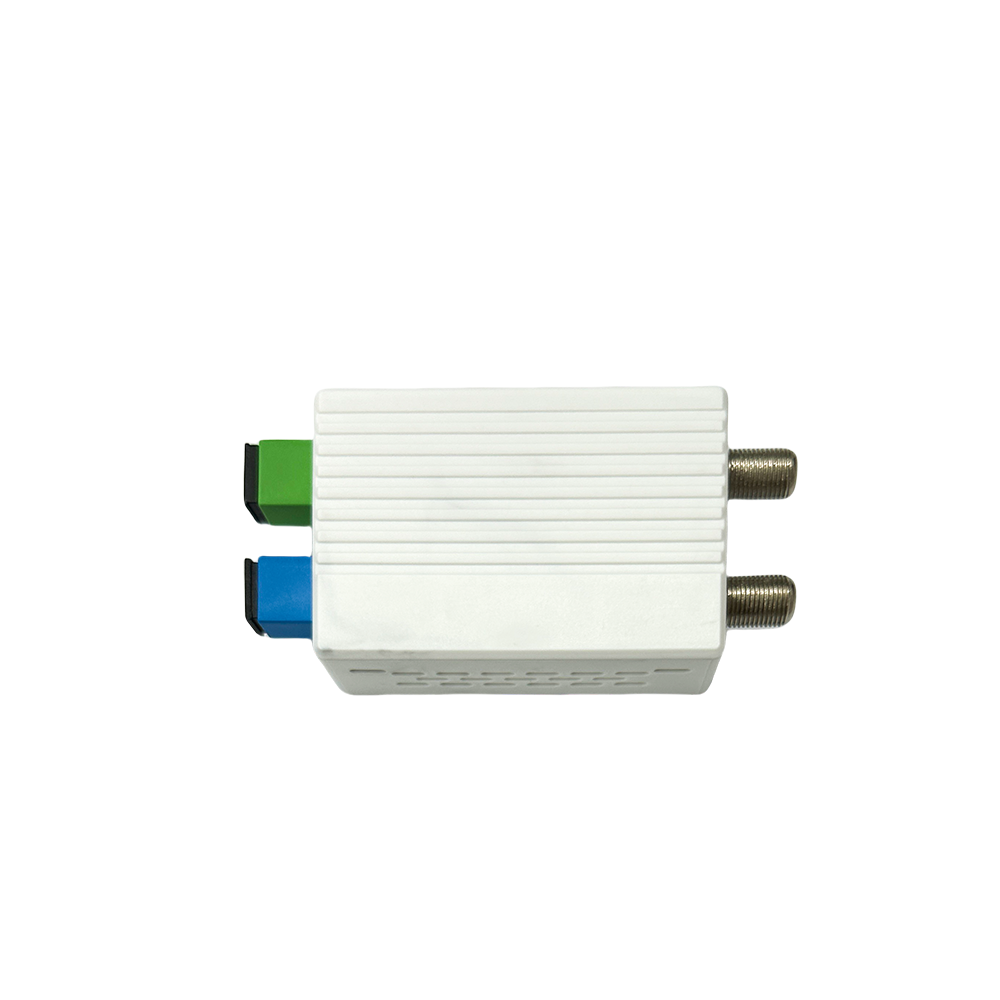
How to Choose the Right Optical Receiver for Your Fiber Network?

How to Choose the Right Optical Receiver for Your Fiber Network?

Choosing the right  optical receiver for your  fiber network is very important. An  optical receiver is like a smart helper that takes  light signals sent  through fiber optic cables and turns them into electrical signals that computers and devices can understand. When picking an optical receiver, you should think about a few key things. First, look  at the speed. Different receivers can handle different  speeds. If you need to send a lot of information quickly, you will want a faster receiver. For example, if you want to stream videos or play online games, you should choose a receiver that can handle high-speed data. Second, think about the distance. Some optical receivers work better over long  distances,  while others are best for short ones. If your network needs to  cover a big area, look for a receiver that can  send signals far without losing quality. Third, check the compatibility. Make sure  the receiver you choose works well with the other parts of your network, like the fiber cables and the transmitters. It’s  also a good idea to think about the environment  where the receiver will be used. If it will be in a dusty or  wet  place, make  sure you choose  one that can handle those conditions. WSEELASER offers a  variety of optical receivers, including the EYDFA-098-33dBm-90*70*17, that can meet these needs. They have different models designed for various applications, so you can find one that fits your network perfectly. When you have the right optical receiver, your fiber network will work better, and you’ll have a smoother experience with your internet  and other services.

What Are the Latest Innovations in Optical Receiver Technology?

What Are the Latest Innovations in Optical Receiver Technology?

The world of optical receiver technology is always  changing. New ideas and inventions are being made all the time. One of the latest innovations is called "coherent detection." This is a fancy way of saying that the receiver can pick up more information from the light signals.  This means you can send more  data over the same fiber cable without needing more wires. With coherent detection, it’s like having a super-fast highway for  data! Another exciting innovation  is the use of smaller and more efficient components. This  means that optical receivers are getting smaller and lighter, which is great for saving space  and making things easier to install. WSEELASER is working on making their receivers even more compact and powerful. They  want to help you save  space and get better performance  from your network. There are also advancements  in the materials used to make optical receivers. New materials can help the receivers work  better in different temperatures and conditions. This means they will last longer  and be more reliable.  Additionally, some companies are focusing on making receivers that use less power. This is important  because  it saves energy and is better for the environment. By using less power, your network can run more efficiently, and you can save money on electricity. Overall, these innovations, including our DAS Integrated module, make optical receivers more  effective and help fiber optic  communication become faster and  more reliable.