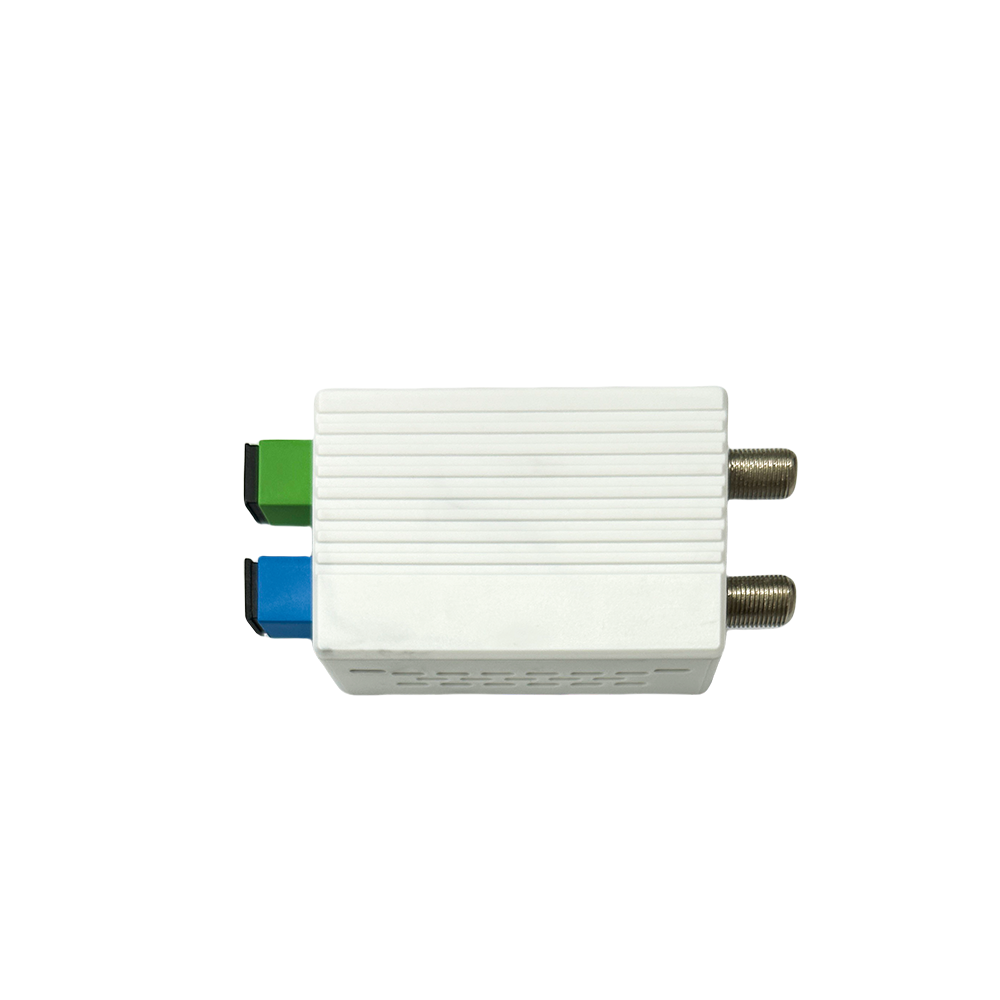
Top Optical Receiver Solutions for Communication Needs

optical receiver

An optical receiver is a device that  helps us  understand signals sent  through light, usually in fiber optic cables. These signals carry important information, like  internet data or phone calls. When light travels through these cables,  it changes, and the  optical receiver catches these  changes and turns them  back  into information we can use. Imagine it like catching a  ball that  is thrown really fast. The  optical receiver is like the  person  catching the ball, making sure the  information gets  to where it needs  to go. WSEELASER  makes high-quality optical receivers that  help  in various fields, making communication better and faster.
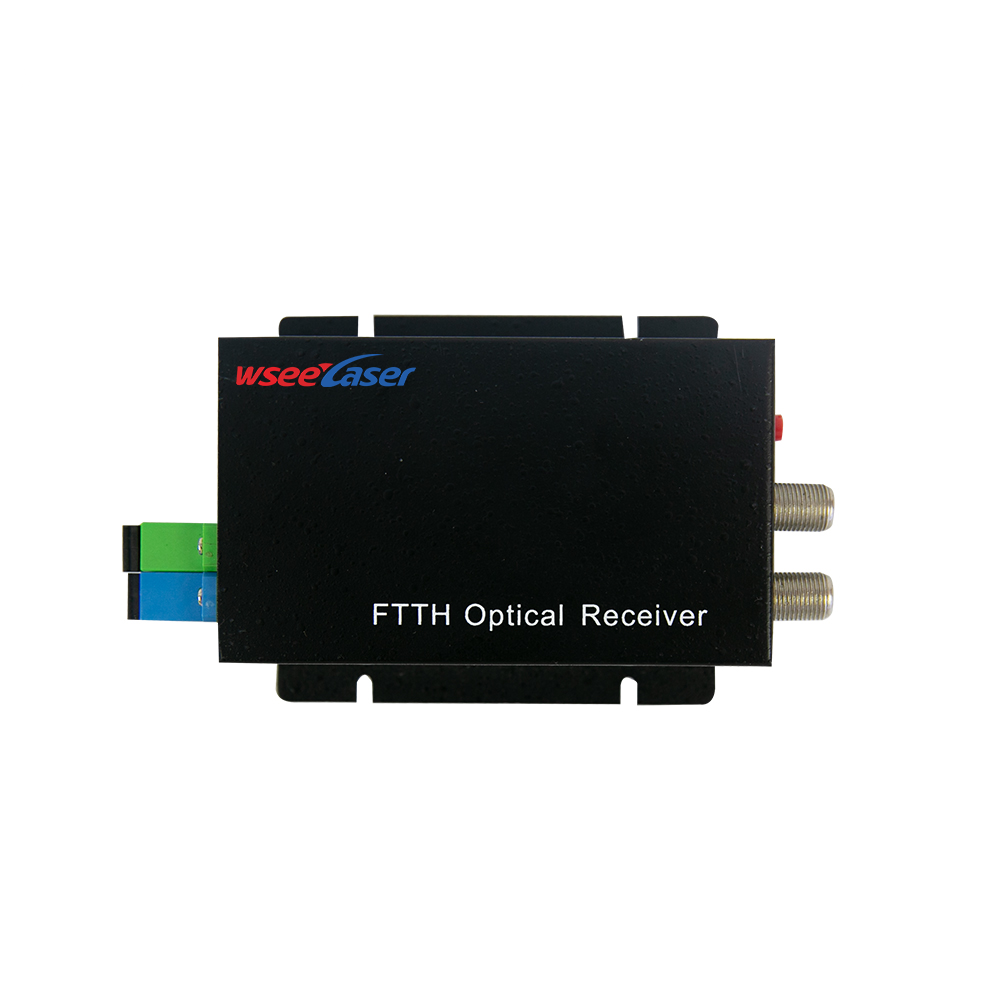
How to Choose the Best Optical Receiver for Your Needs?

Choosing the right optical receiver can be a bit tricky, but it is super important. First,  think  about what you need it for. Are you using it  for high-speed internet, video streaming, or maybe for a science project? Different receivers work better for different tasks. Then, look at the speed. Some optical  receivers can handle more  data at  once. If you want to  watch movies online without buffering, pick one that can send  information quickly. Next, check the distance. Can the receiver work over long cables, or does  it only work for short ones? This matters if your setup is far away from the  source. Another thing to think about is compatibility. Make sure your  receiver works with the other equipment you have, like your  computer or router. It’s like making sure all the pieces  of a puzzle fit together  nicely. You also need to consider the  price. Sometimes, a cheaper receiver might not be the best choice if it doesn’t work well. WSEELASER offers a  range of  options, so you can find one that fits your budget  and needs perfectly. Finally, read reviews or  ask people who have used the receivers before. Their  experiences can help you make a better choice. If you're looking for complete solutions, check out our Complete Equipment offerings as well.

Frequently Asked Questions

What is the optical receiver used for?

Our optical receiver converts incoming fiber optic signals to electrical signals for communication networks and fiber amplifier monitoring, ensuring stable data transmission and signal integrity.
Receivers support common fiber interfaces and standard telecom wavelengths (e.g., 1310nm, 1550nm). Custom wavelength options available per project requirements.
Designed for high sensitivity with wide dynamic range to handle weak and strong signals, specifications customizable; contact us for detailed receiver models and datasheets.
Yes. We offer tailored designs, firmware, and packaging via our independent R&D and intelligent manufacturing to meet specific network and amplifier needs.
We provide technical support, installation guidance, and limited warranty coverage. Service terms vary by product—please contact sales for warranty period and service details.

Get a Free Quote

Our representative will contact you soon.
Email
Mobile/WhatsApp
Name
Company Name
Message
0/1000

Related product categories

Common Usage Issues with Optical Receivers and How to Resolve Them

Common Usage Issues with Optical Receivers and How to Resolve Them

Sometimes, using optical receivers can come  with a few  problems, but don’t worry; most of them have easy solutions. One common issue is  that the signal might not be strong enough. If you notice slow internet or interruptions, it could be because the receiver is too  far from the source. To fix this, try moving the receiver closer or using a stronger model that can  handle the distance better. Another problem could be interference from other devices. If other electronics are close to the receiver, they might mess  with the signal. A good way to  tackle this is to keep  your optical receiver away from other gadgets, like microwaves or wireless routers. Sometimes, the cables themselves can  be the problem. They might be  damaged or not connected properly. Check the cables for any signs of wear and make sure they are plugged in  securely. If you’re still having  trouble, updating the software or firmware of the receiver can  help. Just like your phone  needs updates,  so does your optical receiver! WSEELASER ensures  that their optical  receivers come with support and resources  to  help you troubleshoot any issues. Always remember, if you follow these steps and still  face challenges, reaching out to customer support can provide guidance and solutions.
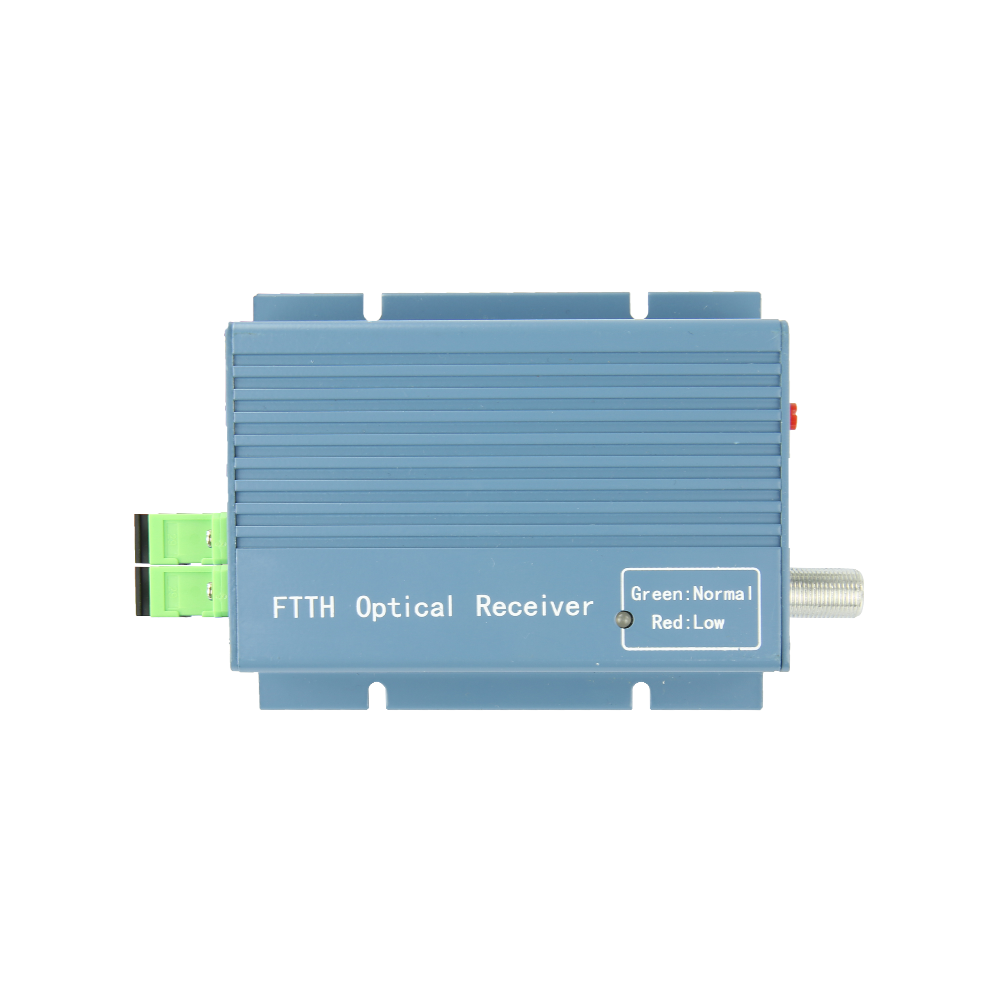
What Makes Optical Receivers Essential for Modern Communication?

What Makes Optical Receivers Essential for Modern Communication?

Optical receivers  are  very important for modern communication. They help us send and receive information quickly and clearly using  light.  In our world today, we use the internet, smartphones, and other devices that rely on fast  communication. Optical receivers play a key role in  this process. They take light signals from fiber optic cables and turn them into electrical signals that our devices can understand. This is how we can watch videos, play games,  and chat with friends online. Without optical receivers, our  internet connections would be much slower and less reliable.  Optical receivers can also work over long distances without losing quality. This  is because light can travel far without getting weak. In  homes and businesses, optical  receivers help  connect people to the internet  and to each other.  They  make it possible for us to share videos, pictures, and messages instantly. WSEELASER provides high-quality optical receivers that can enhance your internet experience. With the right optical receiver, you can enjoy faster speeds and better connections. As more people use the internet, the need for reliable optical receivers grows. They are essential  for keeping  our  digital world connected and  functioning smoothly.

How to Maximize Performance with Your Optical Receiver?

How to Maximize Performance with Your Optical Receiver?

To get  the best performance from your optical  receiver,  there are a few tips to  follow. First, make sure you have the right type  of receiver for your needs.  Different optical receivers  are designed for different tasks, so  it is important to choose the one that fits  your situation. For example, if you have a high-speed internet connection, you need a receiver that can handle those speeds. Next, ensure that your optical receiver is installed correctly. Sometimes, a simple mistake  during installation can affect performance. If you are not sure how to install  it, you can ask a professional for help. Regularly check the connections and cables to make sure everything is working properly. Damaged cables can slow down your internet  speed or cause interruptions. It is also a good idea to keep your optical receiver clean and  dust-free. Dust can  block signals and make your receiver  less effective. Lastly, consider using equipment from  WSEELASER, as they provide reliable and  durable optical fiber amplifiers  built for performance. By taking these steps, you can make sure your optical receiver works at  its best, giving you a smooth and fast internet experience.