Reliable Fiber Optic Transmitter Receiver Solutions

fiber optic transmitter receiver

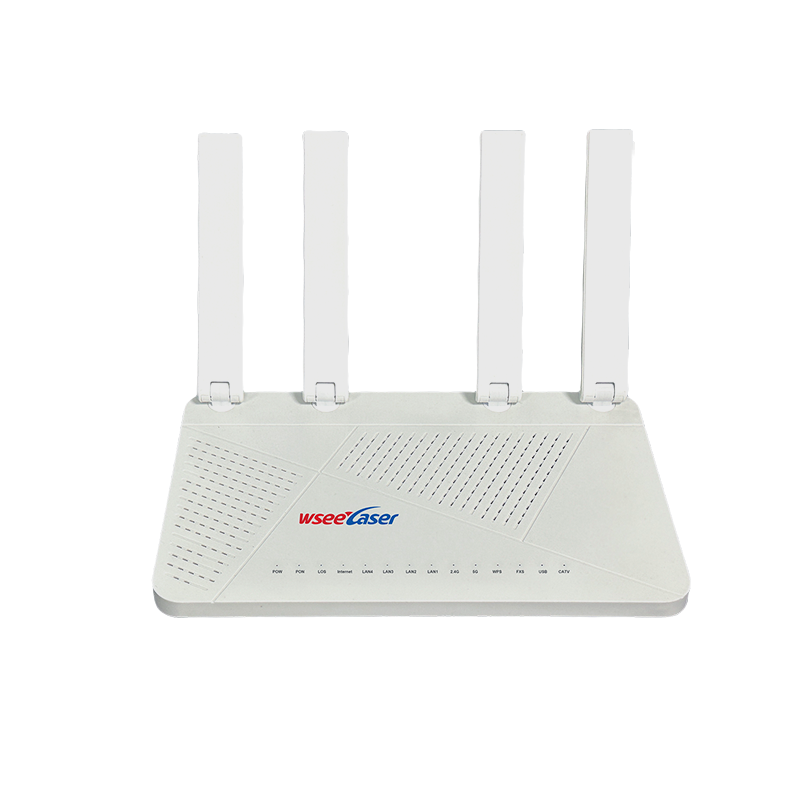
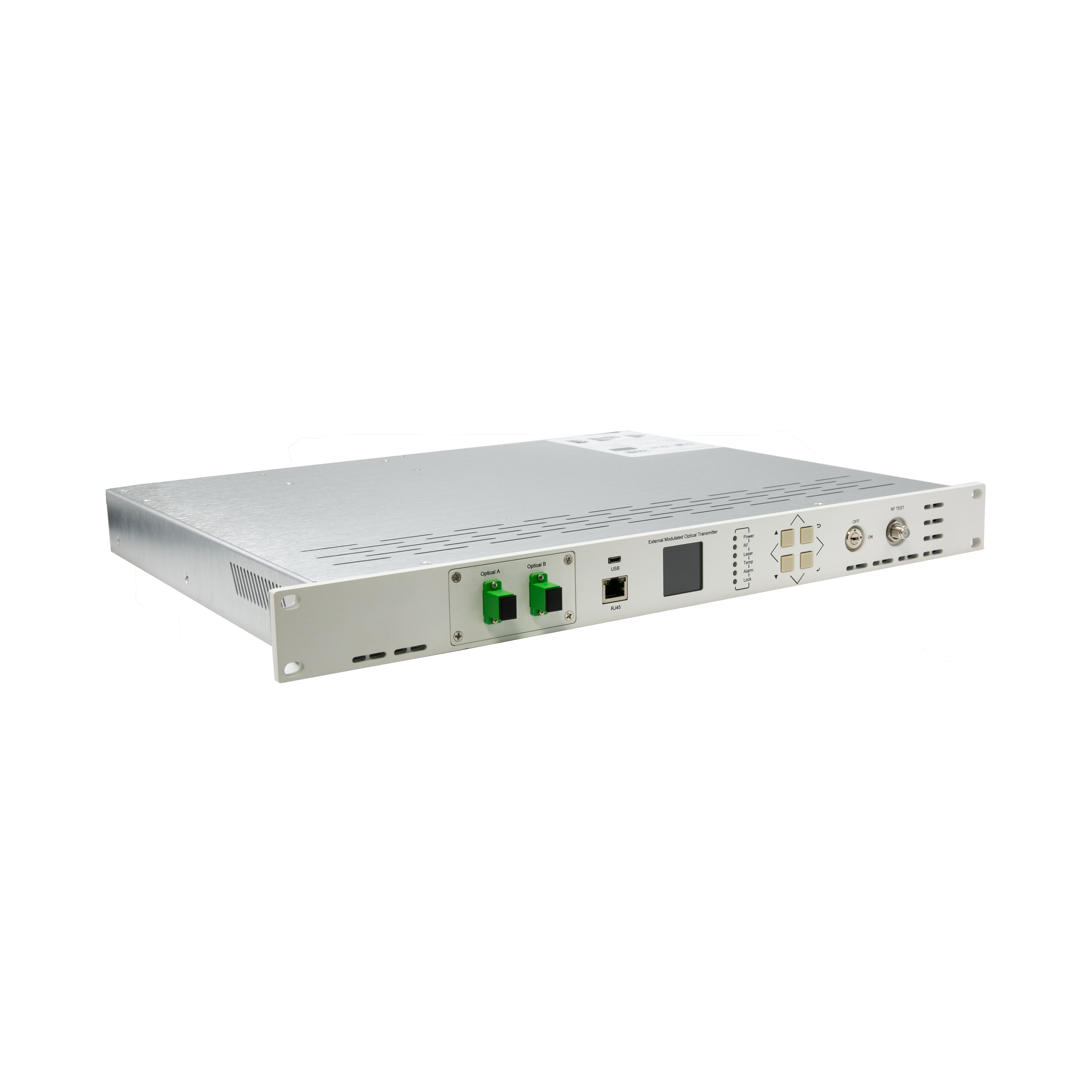
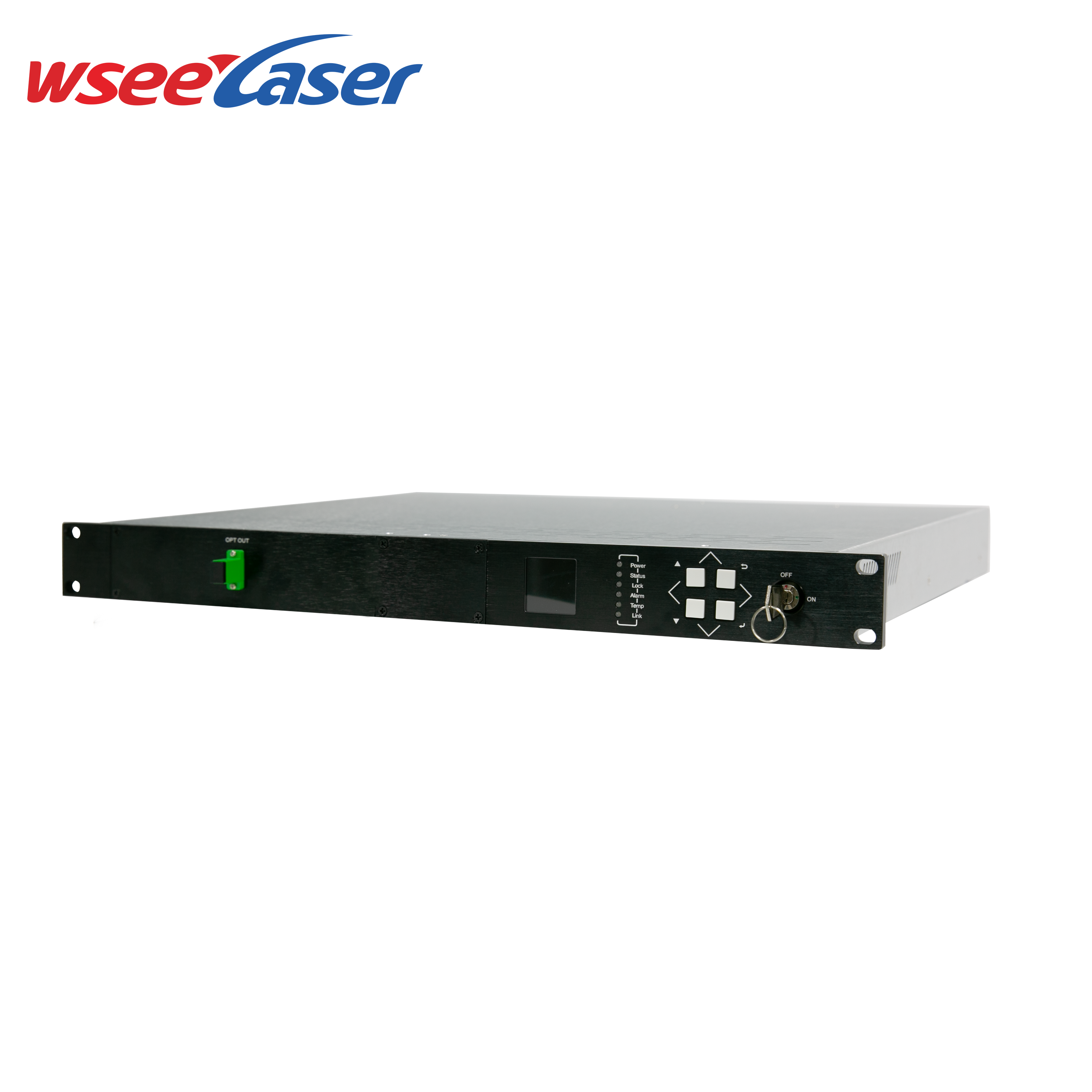
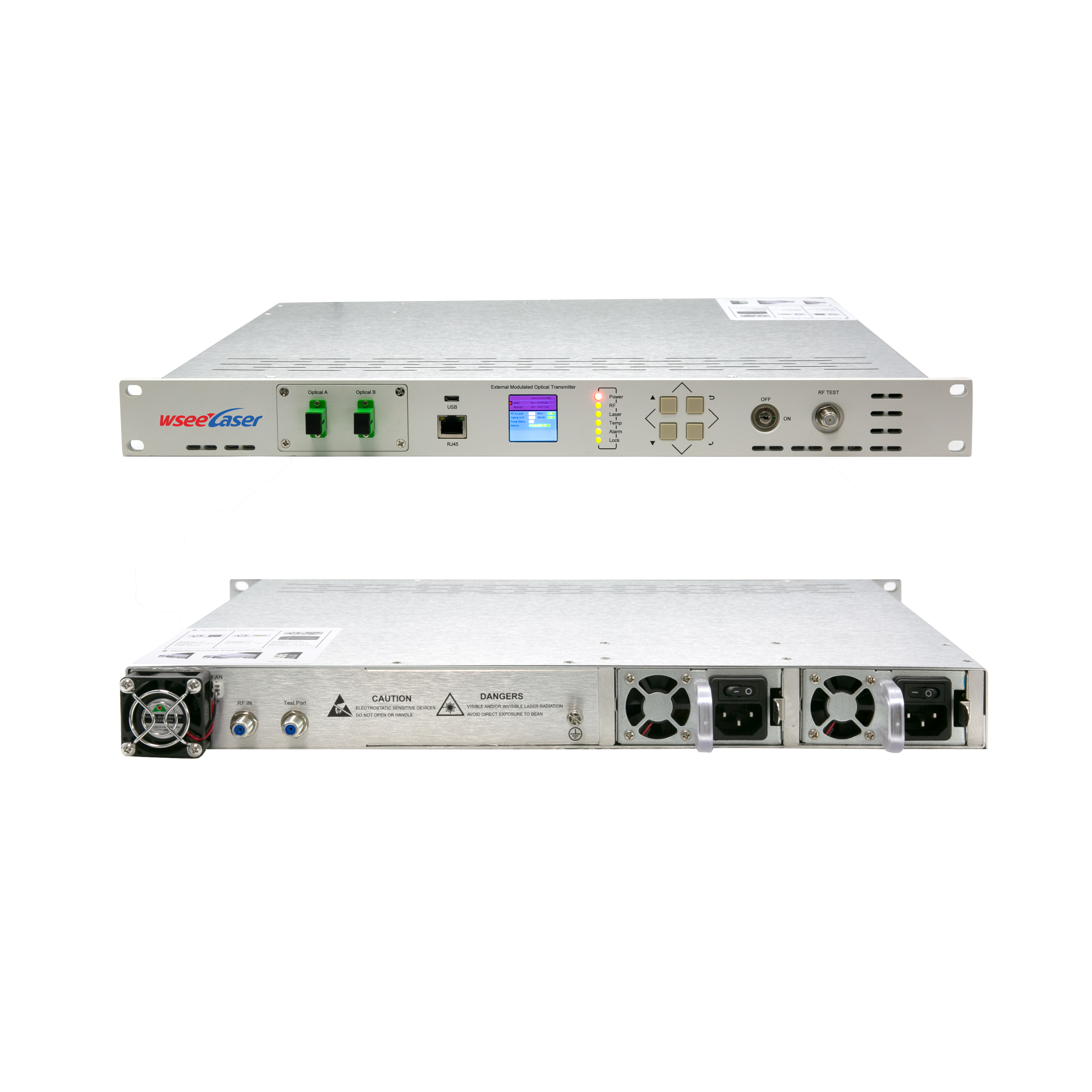
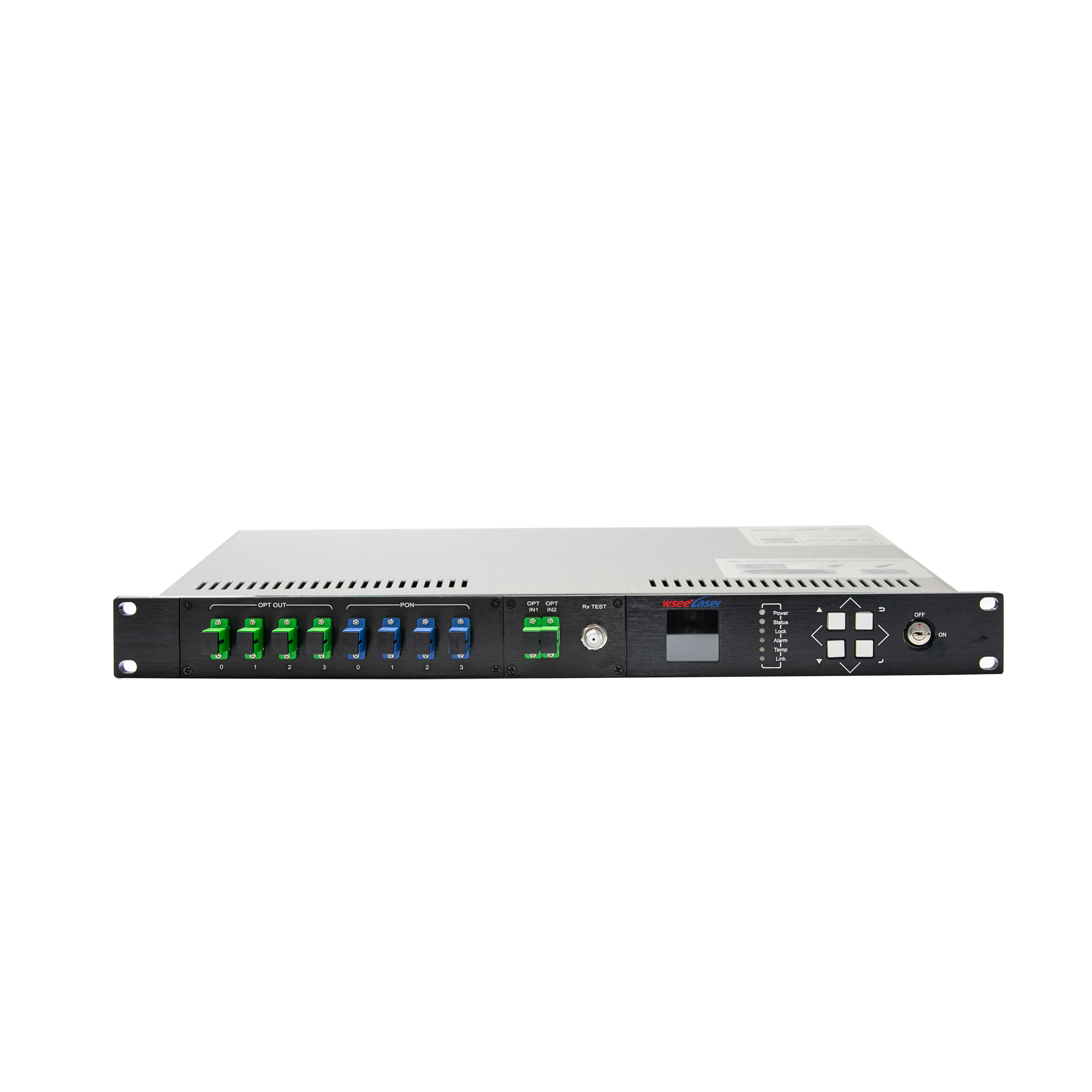
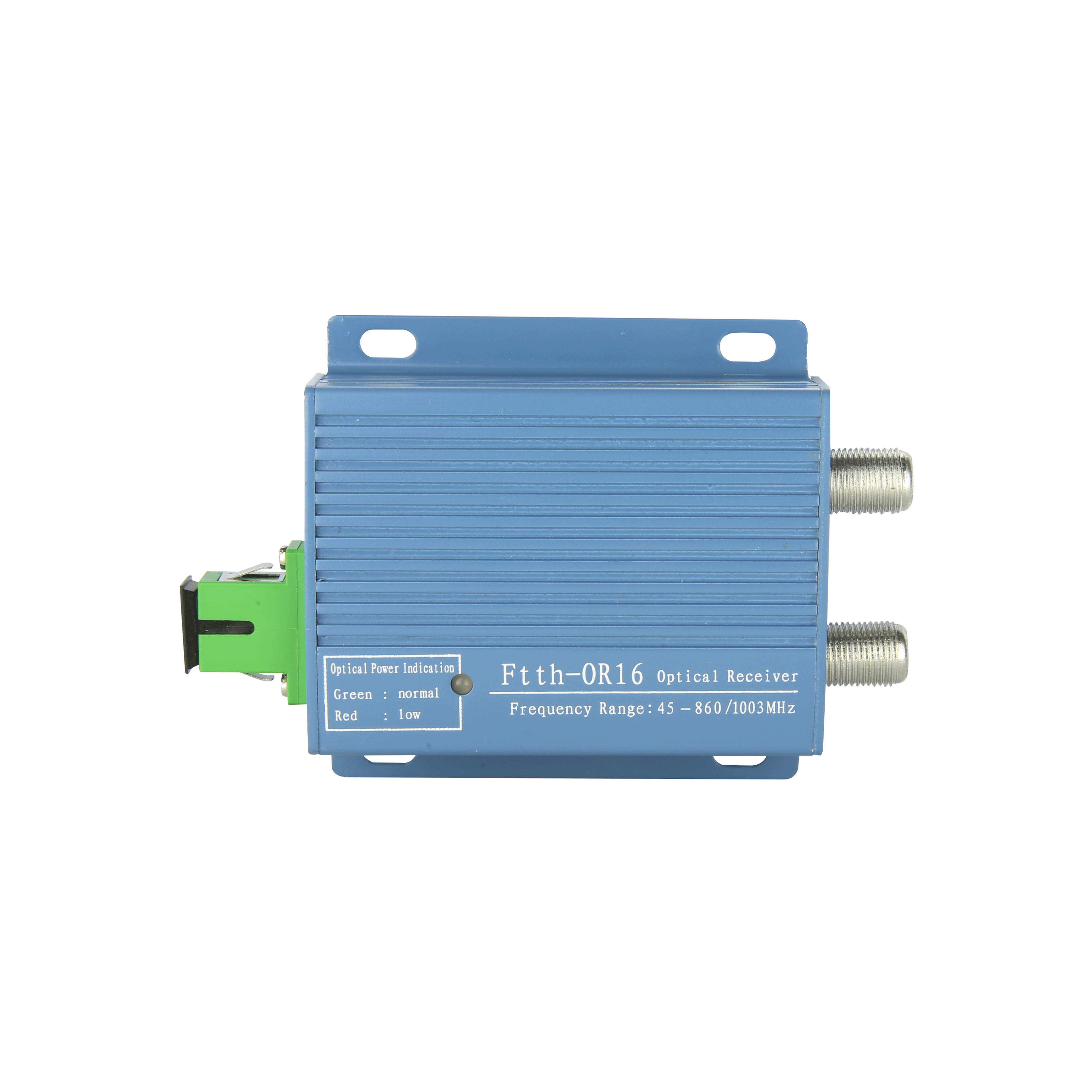
Fiber optic transmitter  receivers are important devices that help us send and receive information over long distances. They use thin glass or plastic fibers to transmit light signals. These signals carry data like internet, phone  calls, and TV. With fiber optics,  we  can send more  information faster than with  traditional copper wires. WSEELASER is a  company that makes these devices, helping businesses  and homes connect better.  When you choose fiber optics,  you are picking a technology that can keep up with our fast-paced world. This article will explain why fiber optic transmitter receivers are  great for wholesale buyers and how to find the right one for your needs.


Fiber optic transmitter receivers offer many  benefits for wholesale buyers. First,  they are very fast. Unlike copper cables, which can slow down data transfer, fiber optics  can send huge amounts of data at  lightning speed. This is super important for businesses that rely on quick communication and data  sharing. For example, a company  that  streams videos or hosts online meetings needs fast internet. If they  use fiber optics, they can avoid lagging or buffering, making their services smoother and better for customers. Additionally, using a reliable Light Source can significantly enhance the performance of these systems.
Our Products

What Are the Key Benefits of Fiber Optic Transmitter Receivers for Wholesale Buyers?

When people use  fiber optic transmitter receivers, they may run into  some common problems. One of  the biggest issues is the connection. Sometimes, users find that their  connections are loose or not working properly. This can happen  for many reasons, such as  dust or dirt getting into the connectors. If the connectors are not clean, the light signals can't travel  well, and this  can cause slow internet or  dropped signals. At WSEELASER, we always  recommend keeping the connectors clean and making sure they fit  snugly. Moreover, investing in a good Fiber Amplifier can help boost the signals over longer distances.

Another problem users might face is the distance. Fiber optic cables can send  signals over  long distances, but if  the cable is too long or there  are too many bends in it, the signal can weaken. This is called signal loss. It is  important to know  how far you can run the cable  without losing the quality of the signal. If the signal is weak, users might experience slower  speeds or interruptions in their service. To avoid this, WSEELASER suggests planning the layout of your cables carefully,  so they can work their best.

Frequently Asked Questions

What is the fiber optic transmitter receiver used for?

It converts electrical signals to optical signals and back, enabling long-distance data transmission for communication networks and fiber amplifier systems.
We offer various wavelengths, data rates, transmission distances, and sensitivity options tailored via our RD team to meet network requirements.
Yes. We provide custom designs for interfaces, power levels, wavelengths, and packaging backed by intelligent manufacturing and RD support.
Devices undergo strict testing, quality control, and burn-in procedures to ensure stable operation, long lifetime, and compliance with industry standards.
Contact our sales or RD team via the company channels; provide application details, required specs, and quantities for a tailored quote and technical assistance.

Get a Free Quote

Our representative will contact you soon.
Email
Mobile/WhatsApp
Name
Company Name
Message
0/1000

Related product categories

How to Choose the Right Fiber Optic Transmitter Receiver for Your Needs?

How to Choose the Right Fiber Optic Transmitter Receiver for Your Needs?

Users  also sometimes struggle with  compatibility. Not all fiber optic  equipment works together smoothly. This can lead to issues when trying to connect  different brands or types of devices.  It is essential to check whether  the  transmitter and receiver can communicate with each other. At WSEELASER, we make sure  our products are compatible with many different systems, but it is still a good  idea for users  to  check specifications before buying new equipment. Lastly, some users may not understand  how to set up their systems  correctly. A wrong  setup  can  lead  to problems, making it important to follow  instructions carefully. WSEELASER provides easy-to-follow guides  to help users  set everything up correctly, ensuring a smooth experience.

What Common Issues Do Users Face with Fiber Optic Transmitter Receivers?

What Common Issues Do Users Face with Fiber Optic Transmitter Receivers?

Technology is always  changing, and  fiber  optic transmitter receivers  are no exception. One of the latest  trends is the  move  towards higher speeds. People today want faster  internet for  activities like streaming videos or playing  games online. To meet this demand,  new  fiber optic transmitter receivers are being  developed to support speeds that are much higher than  before. This means that users  can enjoy quicker  downloads  and smoother online experiences. WSEELASER is  excited to be part  of this trend by offering products that keep up  with the latest speed requirements.

What Are the Latest Trends in Fiber Optic Transmitter Receiver Technology?

What Are the Latest Trends in Fiber Optic Transmitter Receiver Technology?

Finally, another exciting trend is the use of  artificial intelligence (AI) in fiber optics. AI can  help monitor  and manage networks more  efficiently, allowing  for quicker  problem-solving and improved performance. By  integrating AI into our products, WSEELASER aims to enhance  user experience, making it easier to  maintain and  optimize fiber  optic systems. As technology continues to evolve,  WSEELASER  will ensure that  we stay at the forefront  of  these trends to  provide our customers  with the  best  solutions.