 EN
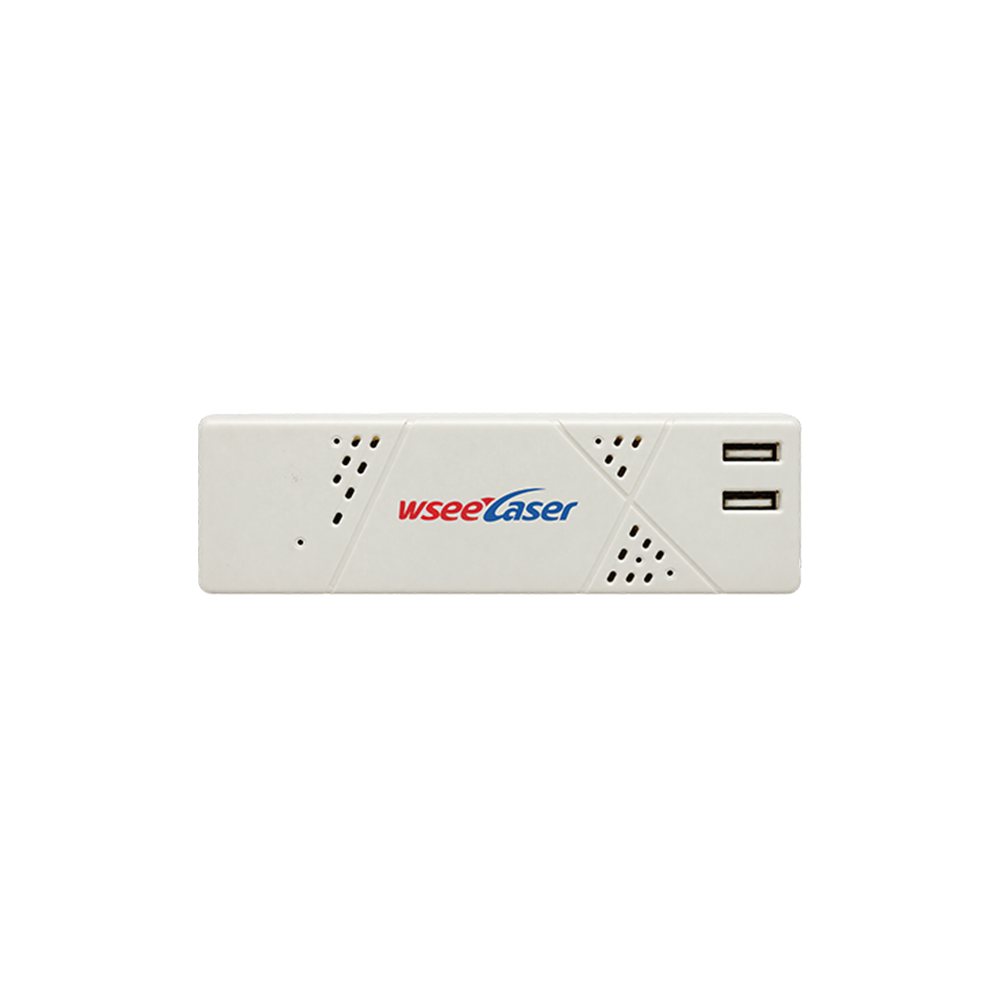
Choosing the appropriate FTTH optical receiver is an important choice that has a direct influence on the quality of the signal, the reliability of the network and the total cost of operation. As fiber to the home (FTTH) networks evolve and the requirement for high bandwidth services increases, it's important to understand the technical details of items such as AGC, integration with WDM, and optical input power. As a professional manufacturer that integrates R&D, production and sales of optical communication products, Shandong Wanshuo Optoelectronic Equipment Co., Ltd. will help you master these specifications and make a wise selection.
Understanding the Role of an FTTH Optical Receiver
The FTTH optical receiver is the key element that connects the optical fiber network to the final customer's RF equipment. It picks up the optical signal from the downstream and converts it to an electrical RF signal which may be used to drive televisions, cable modems, or set-top boxes. The receiver may be integrated into an Optical Network Unit (ONU) or deployed as a standalone optical node, and it ultimately determines the end-user's video and data experience. A clean and stable signal from the receiver is essential for an effective FTTH implementation in different networks.
AGC Optical Receiver: Ensuring Signal Stability
One of the most important features to look for is Automatic Gain Control (AGC). The optical power which arrives at the receiver can vary in an FTTH network, depending on various reasons such as the splitter's distance, fiber degradation or network power budget modification. These variations in the input optical power are compensated for by the AGC optical receiver with a constant RF output level.
A high performance AGC optical receiver will usually have a very large dynamic range thus allowing the user to be near the central office (CO) or near the far end of the distribution network without compromising the integrity of the optical signal. This feature is especially useful in FTTH installations where it helps to streamline network planning and minimize on-site adjustments. The AGC circuit ensures a more stable output, which helps to keep critical parameters such as the Carrier-to-Noise Ratio (CNR) stable and reduces distortion such as the Composite Second Order (CSO) and Composite Triple Beat (CTB) necessary for high quality video transmission.
Integrated WDM Optical Receiver: Optimizing Fiber Resources
When networks converge and are able to provide triple-play (video, voice and data) services using a single fiber, the integration of a WDM optical receiver is a clear benefit. In a GPON or EPON network, a WDM optical receiver has an built-in filter to distinguish the 1490 nm data signal and the 1310 nm data signal from the 1550 nm CATV video signal.
There are a number of advantages to selecting an integrated WDM optical receiver:
Simplified BOM and Space Savings: No need to purchase an external WDM combiner/splitter, saving valuable space for compact ONU designs.
Reduced Insertion Loss: An integrated solution will generally have lower optical loss, thus contributing to the overall link budget.
Easier Assembly: Fewer elements and optical connections simplify the assembly process and improve the manufacturing efficiency and reliability.
The choice between an FTTH receiver using built-in WDM and one using separate optical components will be primarily determined by the type of ONU design and space considerations.
The Critical Role of Input Power and Sensitivity
Perhaps the most basic specification to consider is the optical input power level. It sets the best operating range of the receiver. The sensitivity range of the standard receiver can typically be from -9 dBm to 0 dBm for analog video signals and from -18 dBm to 0 dBm for digital video signals.
It is important to consider optical sensitivity and the dynamic range. High sensitivity is crucial for the FTTH optical receiver to operate properly on networks that have low optical power or long distances. The dynamic range is the range of optical powers that the receiver can accept without sacrificing specified performance. Receivers having good dynamic range, as well as a stable AGC are able to operate within a uniform output, notwithstanding the changes in optical power seen at various subscribers locations.
Conclusion
Choosing an FTTH optical receiver depends on the particular demands your network necessitates; therefore, taking both its power consumption requirements, and others such as AGC integration or WDM integration into account is critical. If the requirement is high quality of an output over a wide range of input power then an advanced AGC optical receiver will suit you best. If it is about space saving or simplicity in a network design, then you should opt for an extremely portable WDM optical receiver. Shandong Wanshuo Optoelectronic Equipment Co., Ltd. believes in providing steady, reliable products and reliable service, therefore, helping you achieve your technology design choice and building for the FTTH network of the future.