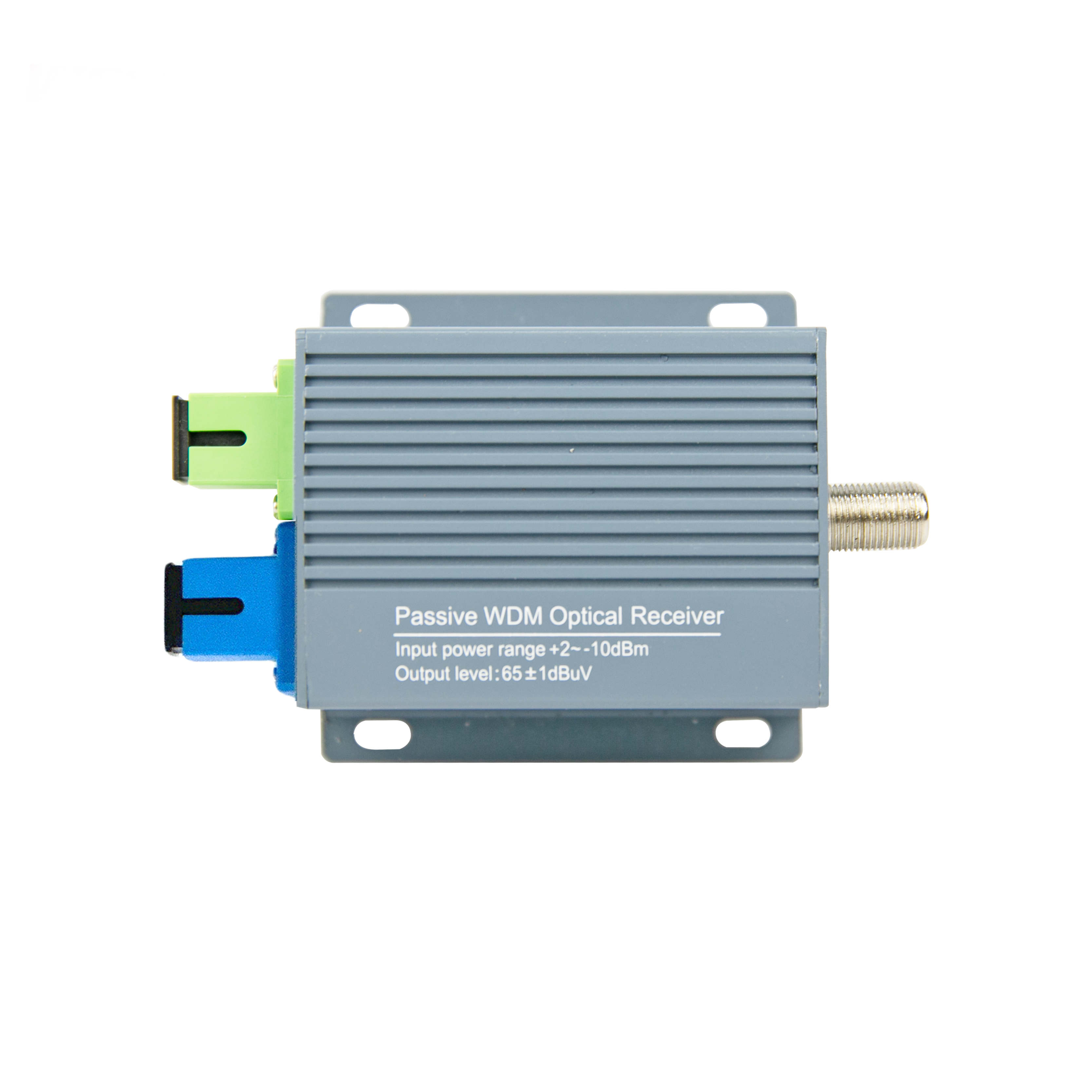
Essential Fiber Receiver for Your Communication Network

fiber receiver

A fiber receiver is a  tool that collects light signals from fiber optic cables and turns them into electrical signals. This process  is really important for making sure that the data we send  over the internet or through phone lines is clear and  fast.  Imagine trying to watch a movie online, and it keeps pausing or buffering. That’s because the signals are not strong enough  or not getting there properly. A good fiber receiver solves this problem! It makes sure that the signals are strong, which means better video quality and faster downloads. Fiber receivers are also essential in places like schools, hospitals, and businesses where reliable communication is crucial. They help connect  computers, phones, and other devices, so everything works together. When you have a strong fiber receiver, you reduce the chances of losing important information or missing messages. WSEELASER focuses on providing high-quality fiber receivers to ensure that your network runs without interruptions. With our products, you can enjoy smoother communication, whether you're sending emails,  making video calls, or streaming  your favorite shows. For more information on how these devices work, check out our Sensing solutions.

Choosing the right fiber receiver for your business is not just about picking any device off the shelf. It’s about understanding what you need. First, think  about how much data your business sends and receives. If  you have a lot of employees or use heavy applications, you might need a stronger  fiber receiver. Look for one  that can handle high-speed connections. Second, consider the  type of fiber optic  cable  you have. There are single-mode  and multi-mode cables, and not all receivers work with both. Make sure the receiver you choose matches your cables! Also, think about the distance the signals need to travel. Some receivers work  better over long  distances, while others are best for short ones. You should also think about the future. If you plan to grow your business, look for a fiber receiver that can handle more connections later on. WSEELASER offers a variety of options designed to meet different needs. Our  team can help you figure out which one is right for you. Selecting the right fiber receiver means investing in a smoother, faster, and more reliable network for your business, which is essential for keeping up with today’s fast-paced world. Don't forget to consider our Complete Equipment solutions for your needs.
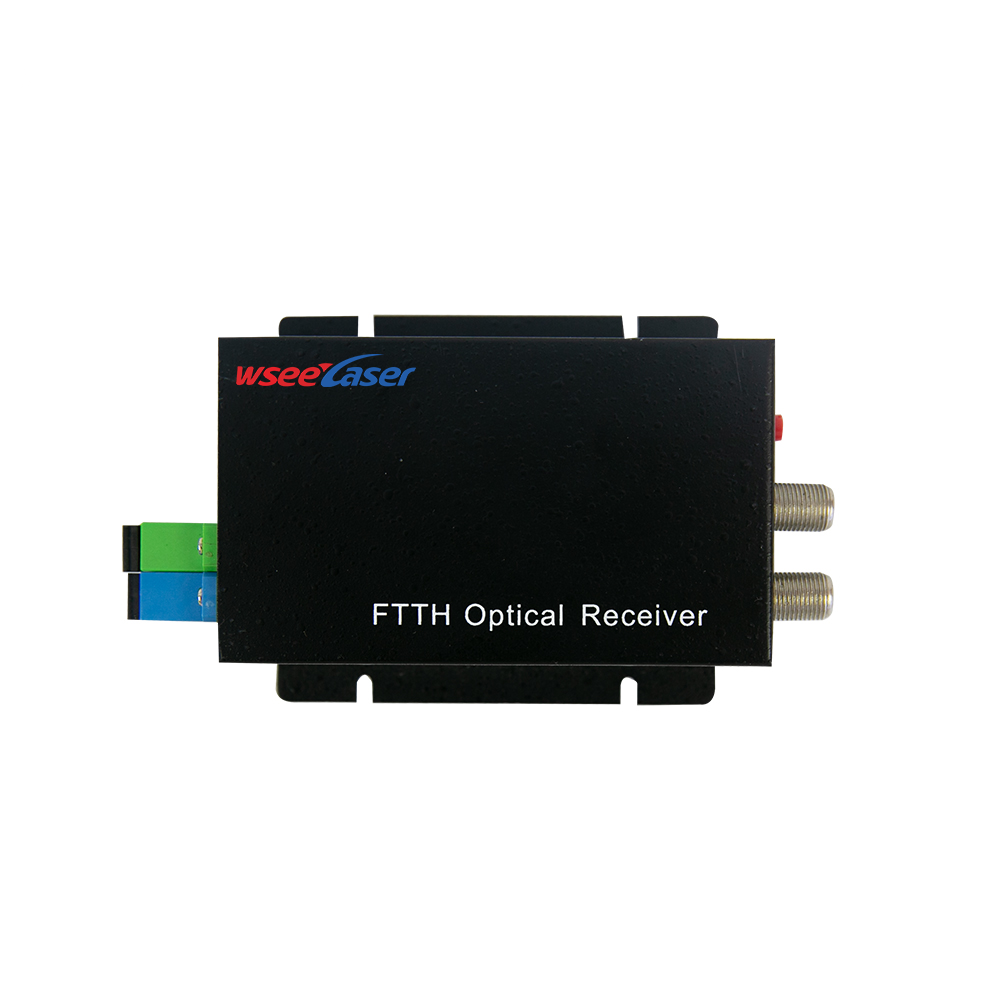
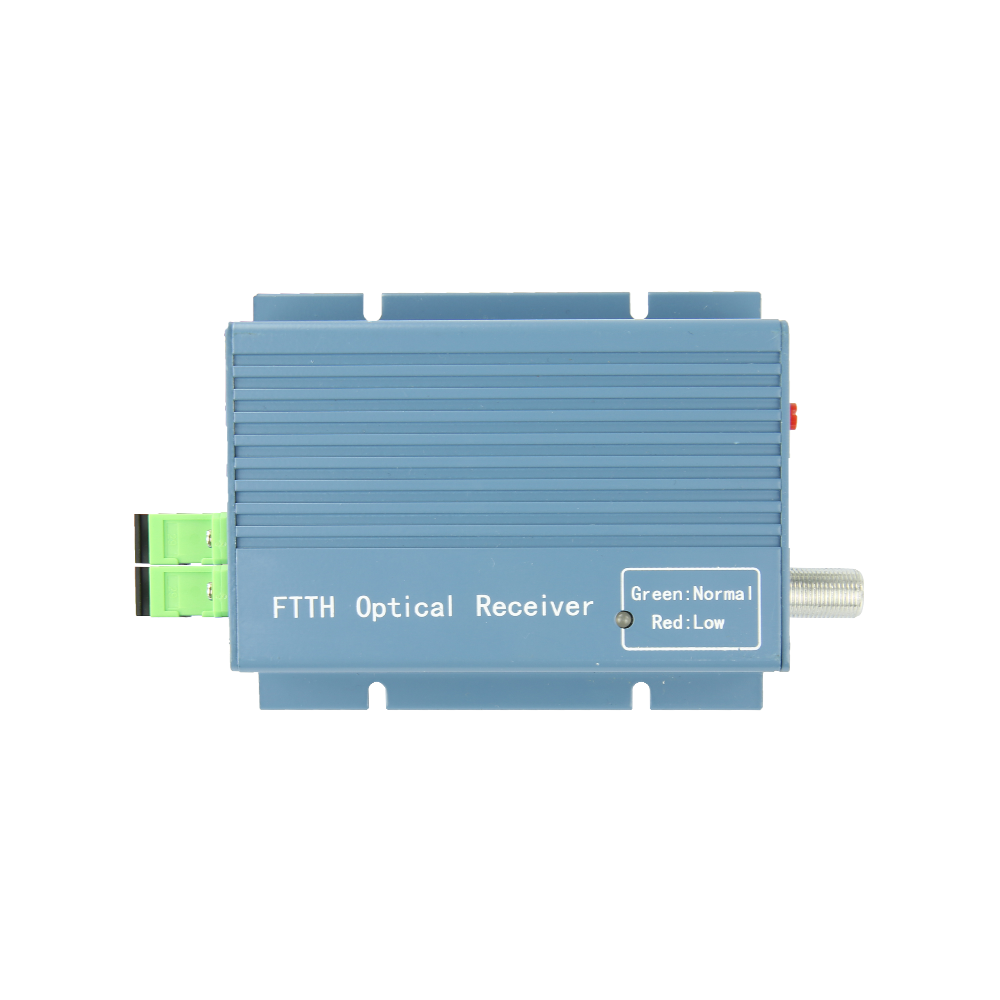
What is a Fiber Receiver and Why is it Essential for Your Network?

Fiber receivers are important devices that help us communicate  using light signals. They are often used in places like schools, offices, and  homes to connect computers and other devices to the internet. However, sometimes people run into problems when  using fiber  receivers. One common  issue is that the  receiver may not work properly if the  fiber cables are damaged  or not connected well. If the cables have bends or breaks, the light signals can't travel through them as they should. This can make the internet slow or even stop it from working altogether. Another problem could be with the settings on the fiber receiver itself.  If the settings are not  correct, the device might not recognize the signals it is supposed to receive. People can fix this by checking the manual or asking for help from someone  who  knows about technology.

Sometimes, the receiver might not get enough power. If the power cord is  loose or damaged, it  can cause the receiver to turn off or work poorly. Also, if there are too many devices connected  to the  same receiver, it can become  overloaded. This means it might slow down or freeze, making  it hard for everyone to use the internet. Keeping the number of connected devices  reasonable can help with this issue.  Finally, environmental factors can also affect fiber receivers. For example, if the receiver is put in a place that is too hot or too cold, it might not work well. It is best to keep fiber receivers in a cool, dry place to help them function properly. By understanding these common problems, users can take steps to prevent them and keep their fiber receivers working smoothly.

Frequently Asked Questions

What is the fiber receiver used for?

The fiber receiver converts optical signals to electrical signals for communication networks and fiber amplifier systems, enabling reliable data transmission and integration into network equipment.
Our fiber receivers support standard optical interfaces and common connectors; specific types are configurable through custom orders to match your system requirements.
Performance varies by model; typical specs include low noise, high sensitivity, wide dynamic range, and stable gain. Exact values are provided in product datasheets upon request.
Yes. We offer custom design, firmware and interface adjustments, and OEM manufacturing backed by our R&D and intelligent production capabilities.
We provide technical support, installation guidance, and a warranty covering manufacturing defects. Details and service terms are included with each purchase.

Get a Free Quote

Our representative will contact you soon.
Email
Mobile/WhatsApp
Name
Company Name
Message
0/1000

Related product categories

How to Choose the Best Fiber Receiver for Your Business Needs

How to Choose the Best Fiber Receiver for Your Business Needs

Fiber receivers play a  big role in keeping our networks secure and performing  well. They help protect our information from being stolen or intercepted. One way they do  this is by using light signals instead of electrical  signals. Light signals are harder to  tap into, making it difficult  for  someone to steal data while it  travels through the fiber cables. This  makes fiber receivers a great  choice for  businesses  and schools that need to  keep their information safe. Additionally, fiber receivers can help networks run faster. Because they use light, which  travels  much quicker than electricity, data can  be sent  and received almost instantly. This  means that when you click  to open a webpage, it loads quickly,  and you can watch videos without buffering.

What Are the Common Usage Issues with Fiber Receivers?

What Are the Common Usage Issues with Fiber Receivers?

Using fiber receivers can also help reduce the chance of interference. In traditional  networks that use copper wires, signals can get mixed up with each other,  causing problems. With fiber  receivers, this interference is much less likely  to happen because light travels in a straight line. This  clarity means  that  people  can use the internet without interruptions, making it easier to  work, study, or have fun online. Furthermore, fiber receivers can support a  lot  of data  at  once. This  is especially important in busy places like offices, where  many people are using the internet  at the  same time.  With fiber technology,  everyone  can enjoy fast and reliable internet service without slowing down.

How Fiber Receivers Enhance Network Security and Performance

How Fiber Receivers Enhance Network Security and Performance

Troubleshooting problems with fiber receivers can seem hard,  but it's usually easier than you think. If  your fiber receiver isn’t working, the first step is to check the  connections. Make sure all the  cables are plugged in tightly. Sometimes, a loose  cable can cause the  receiver not to work. If everything looks  good, check if the lights on the receiver  are on. These lights can tell  you if  the device  is  getting power or if there is a problem. If the  lights are off, try  unplugging the power cord and plugging  it back in. This  can help  reset the device. If the lights are on, but the internet still  doesn’t work, the problem might be with  the settings. Look at the user manual to find  the right settings or ask for help if needed.