EN
EN
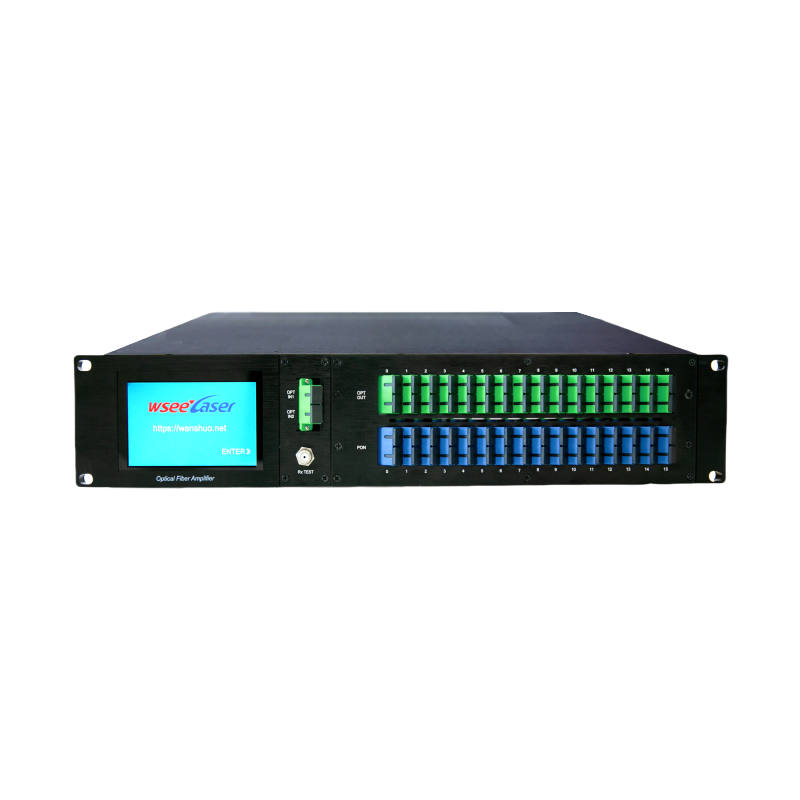
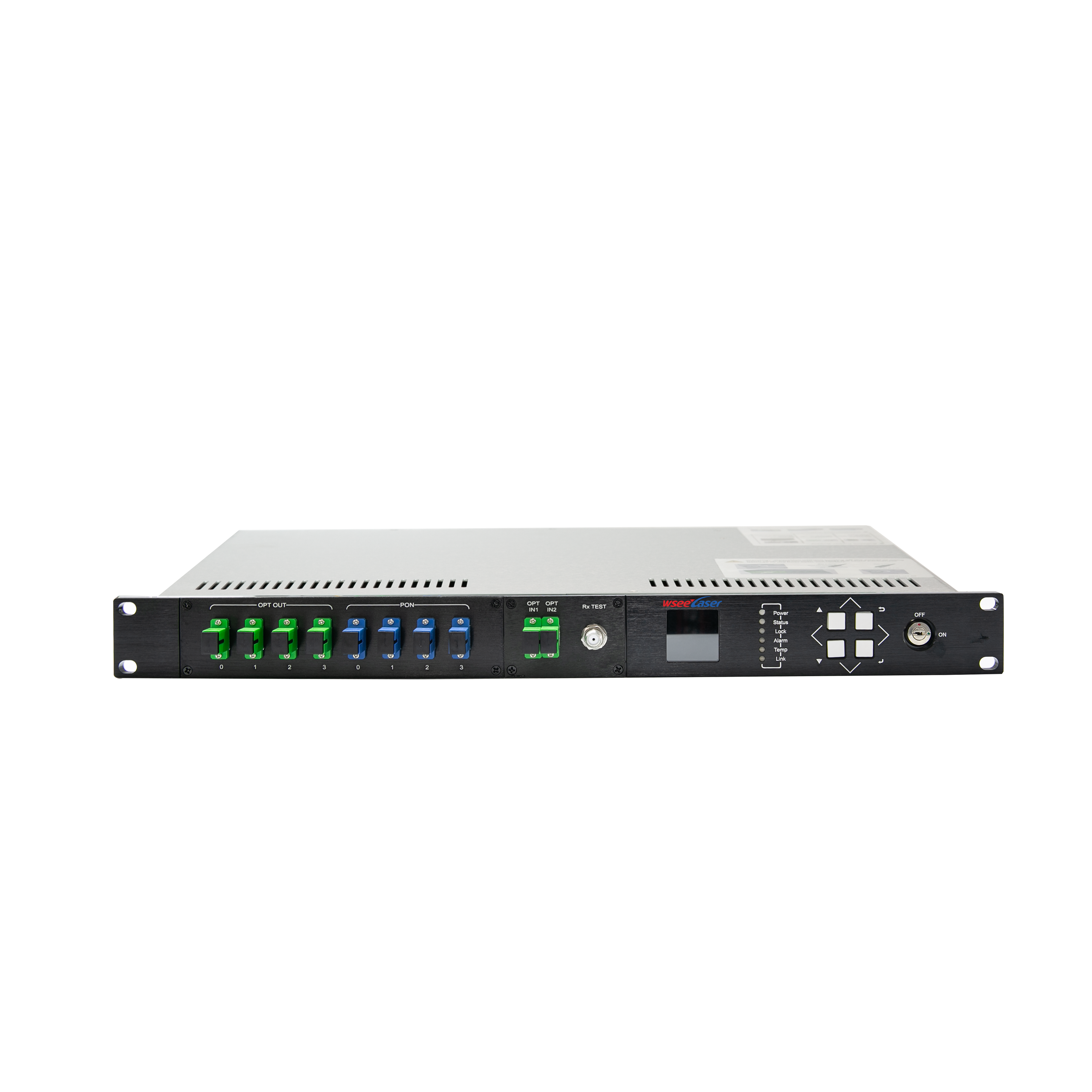
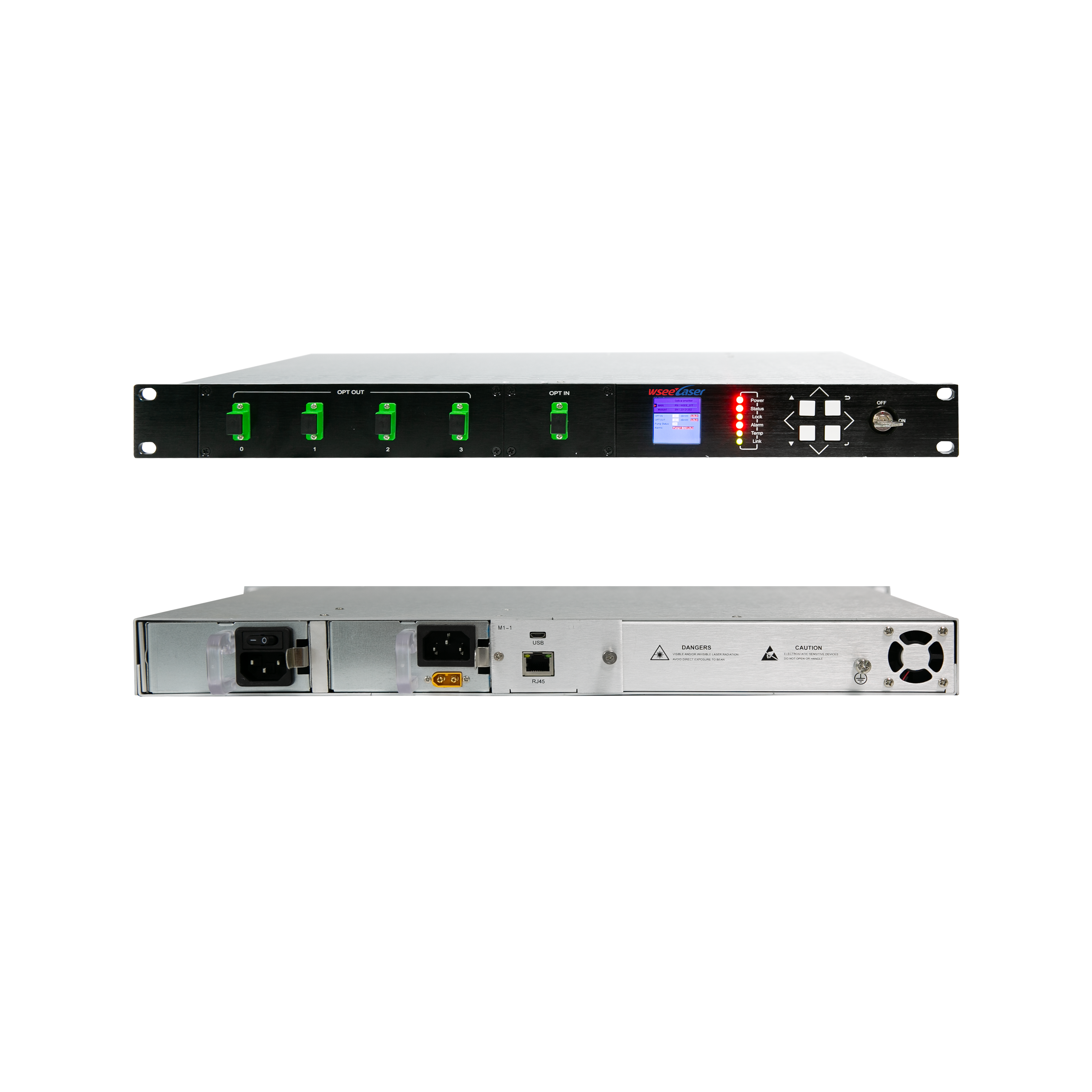
WDM PON EDFA is a technology that helps improve internet connections, especially for businesses and homes that need fast and reliable service. WDM stands for Wavelength Division Multiplexing, PON means Passive Optical Network, and EDFA refers to Erbium-Doped Fiber Amplifier. This combination allows many signals to travel through a single fiber optic cable at the same time. Imagine a busy highway where lots of cars can drive side by side without getting stuck in traffic. That's what WDM PON EDFA does for internet signals! It helps make sure that people can stream videos, play games, and work online without waiting for a slow connection. Our brand, WSEELASER, focuses on making these technologies better. We want to help everyone enjoy the best internet experience possible.
WDM PON EDFA is like a superhero for internet connections. Wavelength Division Multiplexing (WDM) allows different types of data to travel on their own special lanes within the same cable. This means that instead of just one signal, many can travel at once. Think of it as having multiple lanes on a road, each carrying different types of cars. Then, with Passive Optical Network (PON), the signals can spread out to many users without needing extra power. It’s energy-efficient and cost-effective. Finally, the Erbium-Doped Fiber Amplifier (EDFA) boosts the signals so they can travel longer distances without losing quality. This is super helpful for people who live far from the internet source. The combination of these technologies means that more people can use the internet at the same time without slowing down. For example, in a busy office where everyone is online, WDM PON EDFA makes sure that the internet stays fast. People can work, hold video meetings, and download files without interruptions. So, if you want to watch your favorite show while your sibling plays a game, WDM PON EDFA can make that happen without any hiccups. Our company, WSEELASER, is dedicated to improving these technologies to make your online experience smoother and more enjoyable. If you want to learn more about the components involved, check out our page on Sensing for additional insights.