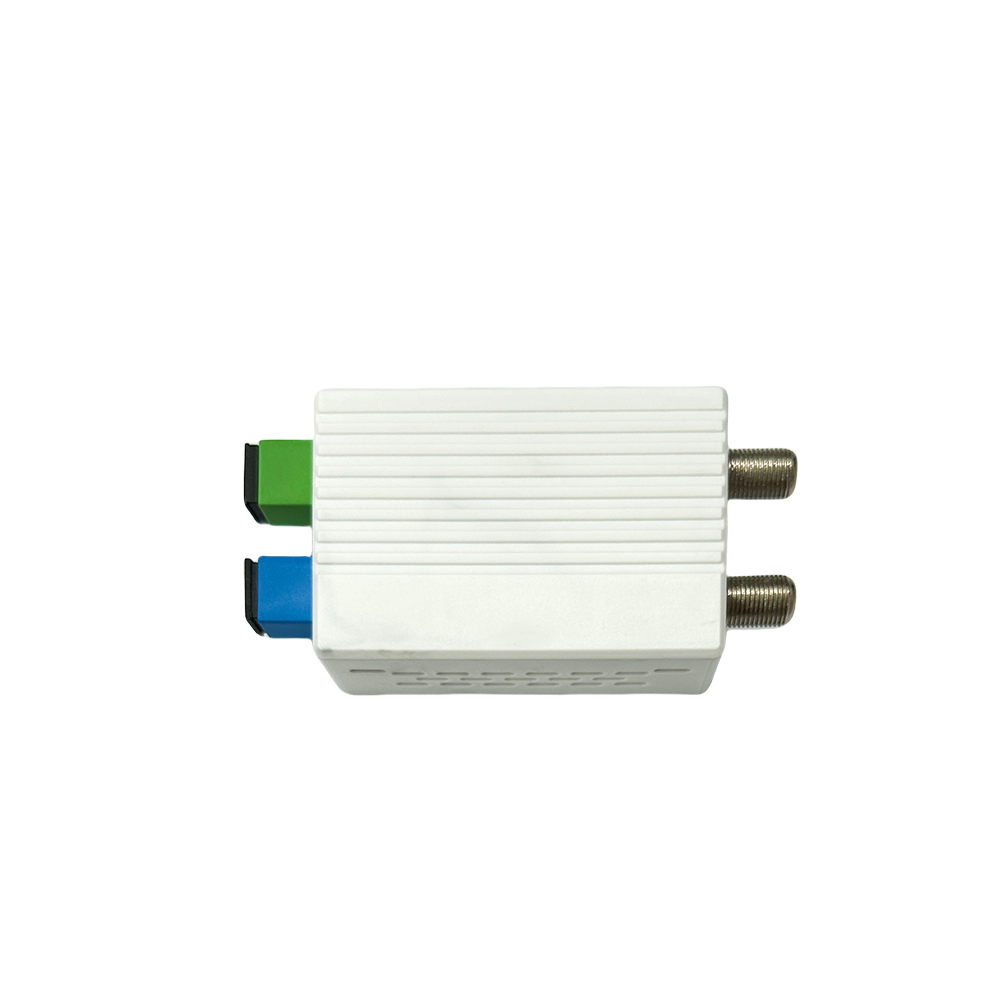
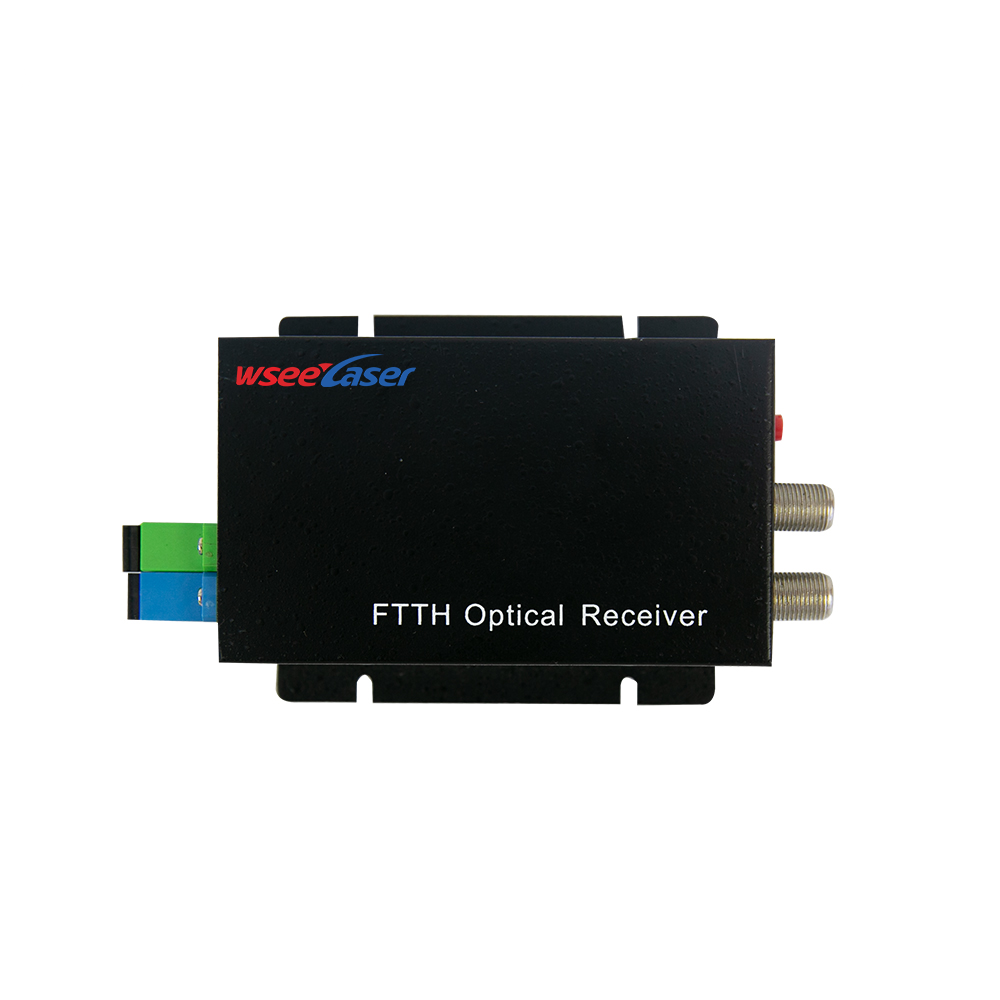
FTTH WDM Optical Receiver for Network Solutions

ftth wdm optical receiver

An FTTH WDM optical receiver is a special device used to help us connect to the internet through fiber optic cables. FTTH stands for Fiber To The Home, meaning that the fiber optic cable runs all the way to our homes. WDM stands for Wavelength Division Multiplexing, which is a fancy way of saying that it can send many different signals at the same  time using different colors of  light.  This technology makes internet connections faster and more reliable. At WSEELASER, we focus  on making high-quality products, including FTTH WDM optical receivers, that help people enjoy better internet service. For more information on the components involved, check out our Complete Equipment page.

An FTTH WDM optical receiver is like a translator for light signals. When data travels through fiber optic cables, it does  so in the form of light. The receiver catches those light signals and turns  them back into data that our  devices can understand, like computers or  smartphones. This process is super  important because it allows us to have a fast  and stable internet connection. Without a good receiver, we might experience slow speeds or even lose our connection. In a world where everyone uses the internet  for work, school, and fun, having a reliable connection is essential. WSEELASER makes these receivers to ensure  that  homes and businesses can  connect easily and quickly. With WDM technology, many signals can travel together, making it possible to send more information without needing more cables. Imagine a highway  with many cars moving smoothly instead of a single lane  with traffic jams; that’s how WDM helps the internet work better. Many people don’t realize how much they rely on this technology until it stops working. When it does work, it makes life easier, whether streaming videos, playing games, or working from home. In today’s connected world, an FTTH WDM optical  receiver is  not just  a piece of equipment; it is the  key to staying connected.
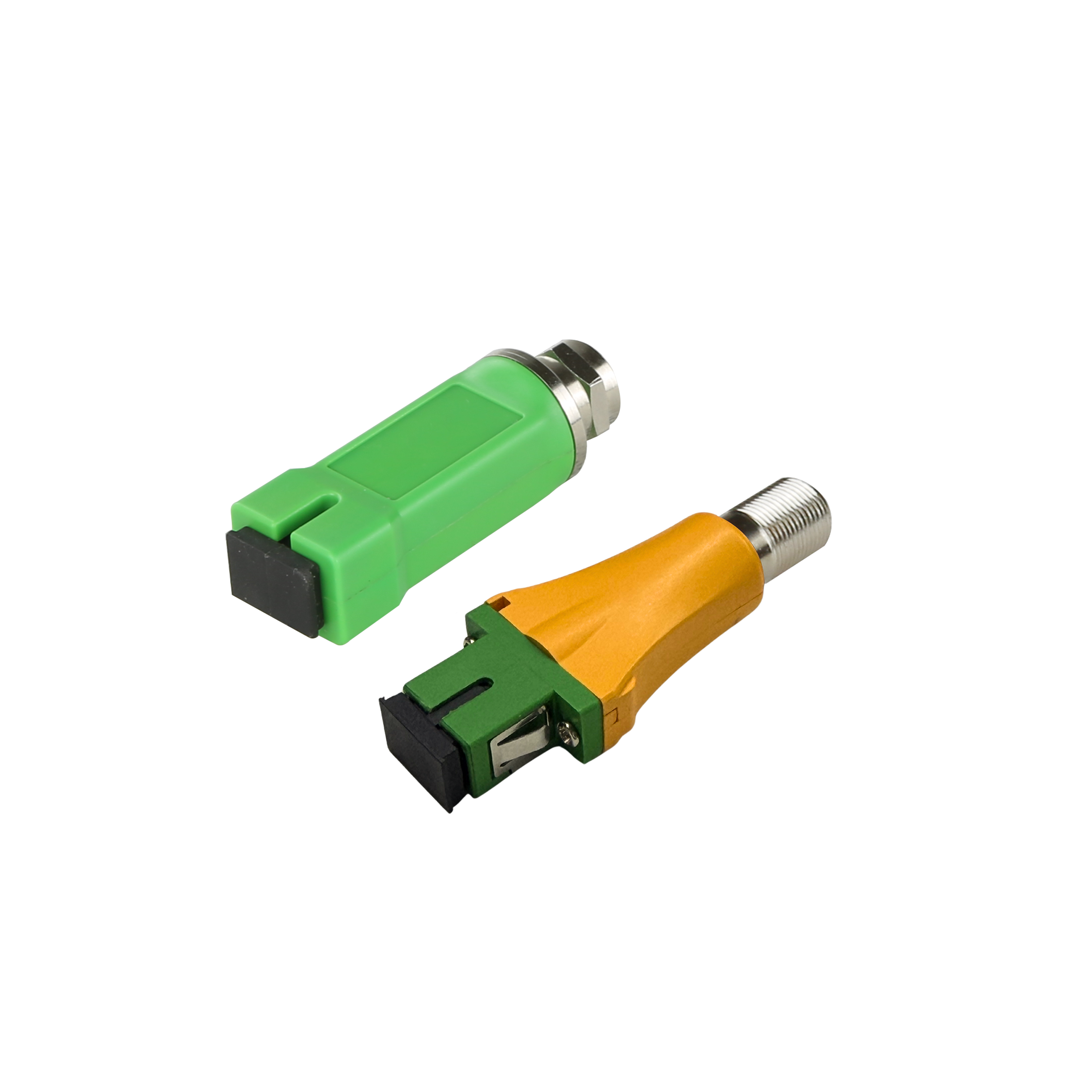
What is an FTTH WDM Optical Receiver and Why is it Essential for Your Network?

Sometimes, even the best technology can have problems. Users might face issues with FTTH WDM optical receivers. One common problem is  that the signals can get weak, especially if the fiber optic cables are damaged or too long. This can lead to slow internet speeds or dropped connections. If you notice that your internet is not working well, check the cables first. Sometimes, just fixing a loose  connection can make a big difference. Another issue can be that the receiver isn't set up correctly. Each receiver has specific settings that need to be right  for it to work  well. At WSEELASER, we provide clear instructions to help users set up their devices. If the settings are wrong, you might not  get the speeds you are paying  for. If you’re  still having trouble, reaching out to customer support can help. Our team at WSEELASER is always ready to assist users with any problems. In addition, sometimes, the receiver can get too hot if  it’s in  a closed space. Make sure it has enough air circulation to keep cool. If  you notice that your receiver is warm, try moving  it to a different spot where it can breathe. By being aware of these issues and knowing how to solve them,  you can enjoy a better internet experience. It’s all about keeping  the connection strong and reliable for everyone!

FTTH WDM optical receivers are important tools that help make our  internet faster and better. FTTH stands for "Fiber to the Home," which means that the internet comes to our houses using  special fiber optic cables. WDM stands for "Wavelength Division Multiplexing." This fancy term means that  these receivers can send and receive many signals at different  colors or wavelengths of light. Imagine  a rainbow with different colors;  each color can carry  its own information. This is how FTTH WDM optical receivers work to improve our internet. To learn more about the importance of fiber technology, visit our Sensing page.

Frequently Asked Questions

What is the FTTH WDM optical receiver?

A compact device that receives multiple wavelength channels over a single fiber, demultiplexes WDM signals for FTTH networks, and delivers optical-to-electrical conversion for downstream distribution.
Designed for fiber-to-the-home deployments, passive optical networks, metro access rings, and any scenario needing wavelength-division multiplexing for high-capacity subscriber links.
High sensitivity, low noise figure, stable wavelength demultiplexing, and standard receiver bit rates. Exact specs are customizable via RD to meet network requirements.
Yes. We offer custom wavelength plans, packaging, firmware and testing options supported by our independent RD and intelligent manufacturing capabilities.
We provide technical support, installation guidance, and warranty terms tailored per project. Contact us for service level details and post-sales assistance.

Get a Free Quote

Our representative will contact you soon.
Email
Mobile/WhatsApp
Name
Company Name
Message
0/1000

Related product categories

Common Usage Issues with FTTH WDM Optical Receivers and How to Solve Them

Common Usage Issues with FTTH WDM Optical Receivers and How to Solve Them

When we use FTTH WDM optical receivers, we can send more information at the same time.  This  is like having  many lanes  on a  highway. If there are more lanes, more cars  can travel at  the  same time without  getting stuck in traffic. Similarly, FTTH WDM receivers help networks  handle lots of data quickly without  slowing down. This means that  when you  are watching videos, playing games, or using social media,  everything works smoothly. WSEELASER’s receivers are  designed to do just this. They make sure that the internet is not only  fast but  also reliable, so you can enjoy your  favorite online activities without  interruptions.

 
How FTTH WDM Optical Receivers Improve Network Efficiency and Performance

How FTTH WDM Optical Receivers Improve Network Efficiency and Performance

Furthermore, these optical receivers help save money for internet service providers. By using WDM  technology, they can  send more  data over the same fiber cables. This means they do  not have to lay down more cables to provide  better service to their customers. Instead, they  can upgrade  their existing  cables  with FTTH WDM optical receivers.  This  is a smart choice because  it saves time, effort, and money, all while improving the quality of internet  service for everyone. In  short, FTTH WDM  optical receivers  from WSEELASER help  networks be faster and more efficient, improving your  online  experience.

 
How to Integrate FTTH WDM Optical Receivers into Your Existing Infrastructure

How to Integrate FTTH WDM Optical Receivers into Your Existing Infrastructure

Once everything is up and running, you  will  start  to see improvements in your internet speed and  performance. With the new WSEELASER FTTH WDM optical receivers, your network will  be able to  handle more data and provide better  service to users.  It is  important to keep monitoring the network to  see how well it performs after  the integration. You can  make adjustments if needed to optimize  the performance. Overall,  integrating  FTTH WDM  optical receivers  helps make your internet faster  without  needing to completely rebuild  your setup.